Will US Prediction Market Laws Actually Change Anything?
Belgium Remembers 1944-1945, Tweede Wereldoorlog België, 75 Jaar Bevrijding Expert ·
Listen to this article~3 min

As US states debate prediction market laws, professionals wonder: will new legislation bring clarity and legitimacy or just more red tape? We break down the real potential impact.
Let's be honest. If you're in the prediction markets game, you've seen the headlines. Another state proposes a bill. Another hearing gets scheduled. The cycle repeats. You start to wonder, is any of this legislation actually going to make a difference? Or is it just political noise?
We're at a real crossroads. On one side, you have the promise of these markets as incredible tools for forecasting everything from election results to product launches. On the other, you have a regulatory landscape that's a patchwork quilt of confusion. It's enough to make even seasoned traders pause.
### The Current State of Play
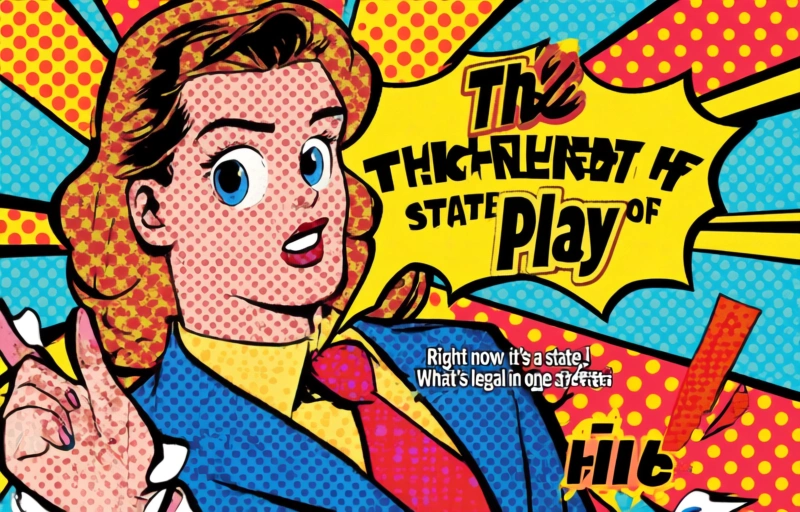
Right now, it's a state-by-state free-for-all. What's legal in one state can get you in hot water just across the border. This inconsistency creates a massive headache for operators and a chilling effect on innovation. Traders are left navigating a maze of rules that were written for a different era.
The core question isn't just about legality. It's about functionality. Will new laws create a framework where these markets can thrive safely and transparently? Or will they just add another layer of bureaucratic red tape that stifles growth?
### The Insider Trading Question
This is the elephant in the room. In traditional financial markets, insider trading is a clear-cut crime. But in prediction markets? The lines get blurry. If you have non-public information about a corporate event, is trading on it wrong? What about political insider knowledge?
Legislation could help define these boundaries. Clear rules would protect the integrity of the markets and give legitimate participants confidence. Without them, it's the wild west, and that scares away the very institutional players needed for maturity.
- **Clarity for Operators:** Knowing exactly what is and isn't allowed.
- **Protection for Traders:** Safeguards against market manipulation.
- **Path to Legitimacy:** Moving from a niche to a mainstream financial tool.
As one industry observer recently noted, "The market needs rules of the road. Without them, we're all just driving blind."
### What Real Impact Looks Like
So, what would meaningful legislation actually do? It wouldn't just be about saying 'yes' or 'no.' It would be about building a guardrail system. Think age and identity verification to prevent fraud. Think transaction monitoring to spot suspicious patterns. Think clear tax guidance so traders know their obligations.
This kind of thoughtful regulation doesn't kill a market. It legitimizes it. It tells the world that this is a serious financial arena, not a backroom betting shop. For professionals, that's the difference between a hobby and a career.
The bottom line? Legislation alone won't fix everything. But good legislation—focused on clarity, security, and fairness—could be the catalyst the entire prediction market ecosystem has been waiting for. The next few state-level decisions will set the tone for years to come. It's worth paying close attention.