Robinhood's SWOT Analysis: Stock Expansion into Prediction Markets
Belgium Remembers 1944-1945, Tweede Wereldoorlog België, 75 Jaar Bevrijding Expert ·
Listen to this article~3 min
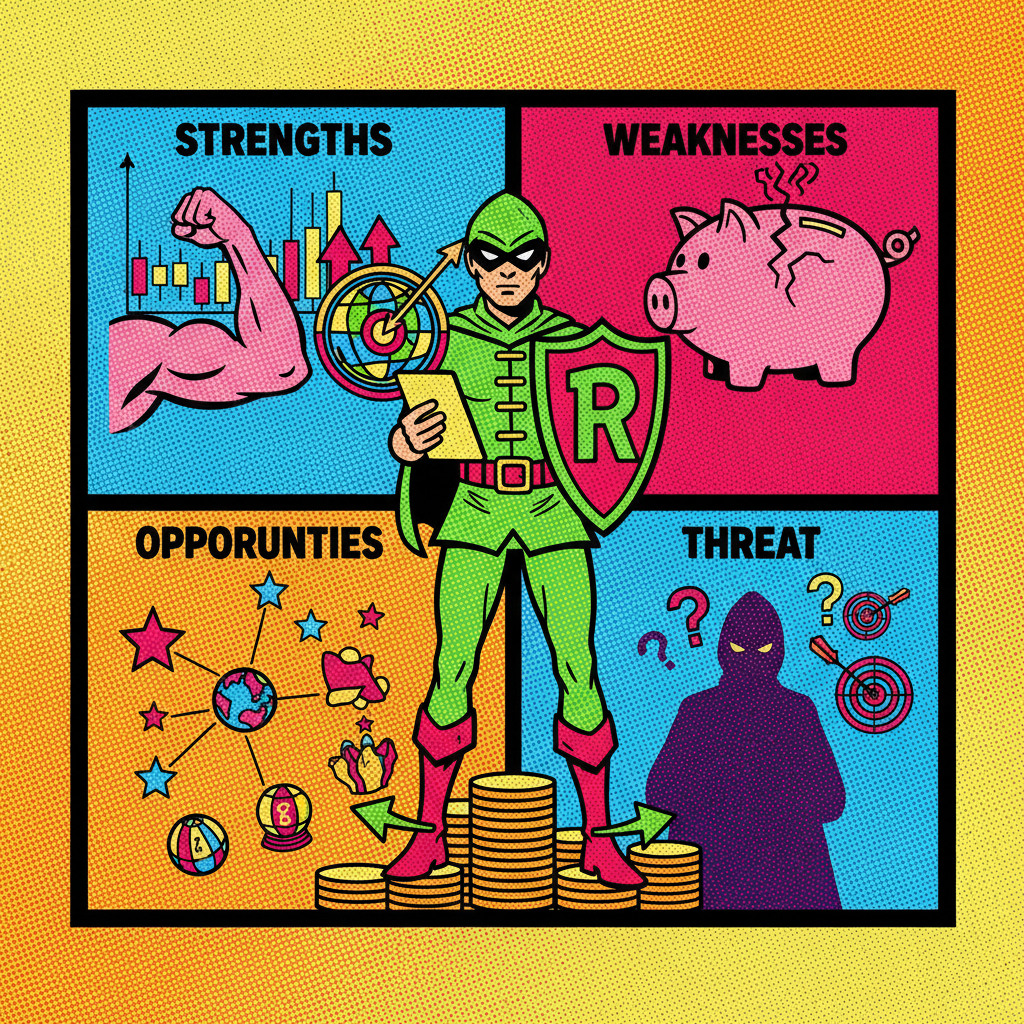
Robinhood's expansion into prediction markets is a bold move. This SWOT analysis explores strengths, weaknesses, opportunities, and threats for traders and investors in the US.
Robinhood is making waves again. This time, the stock trading app is diving into prediction markets. It's a bold move that has analysts talking. Let's break down what this means for investors and traders alike.
### What Are Prediction Markets?
Prediction markets let people bet on future events. Think election outcomes, sports results, or even weather patterns. Robinhood's entry into this space could change how everyday investors engage with forecasting. It's not just about stocks anymore. It's about predicting the world around us.
### The SWOT Breakdown
**Strengths**
Robinhood has a massive user base. Millions of retail investors already trust the platform. That gives them a head start. They also have a clean, easy-to-use interface. New users won't feel overwhelmed.
**Weaknesses**
Regulation is a big concern. Prediction markets are a gray area in the US. The Commodity Futures Trading Commission (CFTC) has strict rules. Robinhood could face legal hurdles. Also, their past controversies around payment for order flow might scare off cautious traders.
**Opportunities**
This is a growing market. Event forecasting trading is gaining traction. Robinhood could capture a slice of that pie. They could also integrate prediction markets with their existing offerings. Imagine betting on the Fed's next rate hike right alongside your stock portfolio.
**Threats**
Competition is fierce. Platforms like Polymarket and Kalshi already dominate. Robinhood is late to the party. Insider trading is another risk. If people trade on non-public info, it could undermine trust. Regulators are watching closely.
### How This Affects Traders
For prediction markets analysis professionals, this is huge. Robinhood brings liquidity and visibility. But it also brings scrutiny. The platform's history with meme stocks shows they can handle volatility. Yet, prediction markets are different. They require a different kind of risk management.
- **Liquidity**: More players mean tighter spreads.
- **Access**: Retail investors get a seat at the table.
- **Risk**: Regulatory crackdowns could disrupt the market.
### The Bigger Picture
Robinhood isn't just a trading app anymore. It's becoming a financial ecosystem. From crypto to options to now prediction markets, they're diversifying. For the average user, this means more ways to put money to work. But it also means more complexity.
One analyst put it this way: "Robinhood is betting that people want to gamble on everything, not just stocks." That might be true. But the question is whether regulators will let them.
### What to Watch For
Keep an eye on CFTC rulings. If they greenlight prediction markets broadly, Robinhood could soar. If not, this expansion might stall. Also, watch for partnerships. Robinhood might team up with existing prediction market platforms to speed things up.
In the end, this is a high-risk, high-reward play. Robinhood's SWOT analysis shows a company willing to push boundaries. For traders, it's a new frontier. Just remember: with new markets come new risks. Stay informed, stay cautious, and never bet more than you can afford to lose.