The Rise of Prediction Markets: Betting on Global Events
Belgium Remembers 1944-1945, Tweede Wereldoorlog België, 75 Jaar Bevrijding Expert ·
Listen to this article~4 min
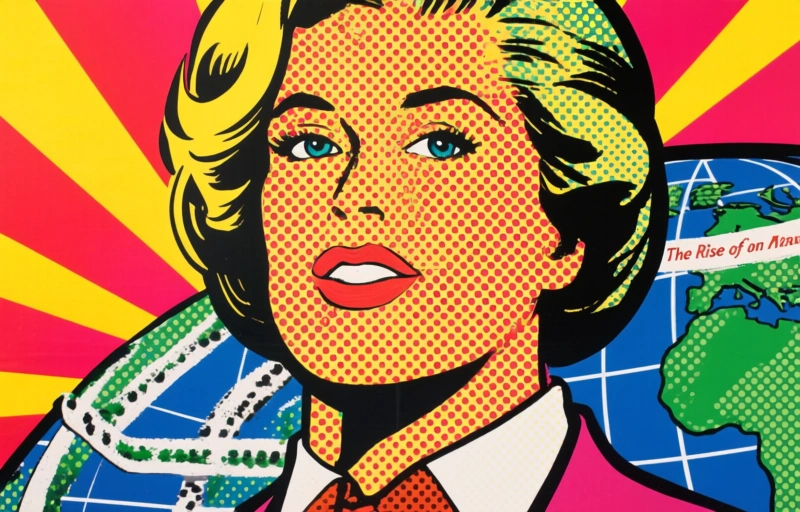
Prediction markets are transforming how we forecast global events. This analysis explores their explosive growth, ethical implications, and why professionals can't afford to ignore these powerful forecasting tools.
Let's talk about something that's changing how we think about the future. It's not crystal balls or fortune tellers. It's prediction markets. These platforms where people trade on the outcome of real-world events have exploded in popularity recently. And I mean, they've really taken off.
You've probably heard about them in passing. Maybe someone mentioned betting on election results or whether a company will hit its quarterly targets. But it goes much deeper than that. We're seeing markets on everything from climate disasters to geopolitical conflicts. It's both fascinating and a little unsettling when you stop to think about it.
### What Exactly Are Prediction Markets?
At their core, prediction markets are trading platforms. But instead of stocks or commodities, you're trading contracts tied to specific events. Will Country X enter a recession this year? Yes or no. Will Tech Company Y's new product launch on time? Place your bet.
The price of these contracts reflects what the market collectively believes will happen. If a "yes" contract on an election is trading at 80 cents, the market thinks there's an 80% chance that candidate wins. It's wisdom of the crowd in its purest financial form.
What makes them so compelling is their track record. Time and again, these markets have proven remarkably accurate at forecasting outcomes. Often more accurate than expert panels or traditional polling. There's something about putting real money on the line that focuses the mind wonderfully.
### The Ethical Tightrope
Now here's where things get tricky. With this rise comes serious questions. When you create markets around human suffering or global catastrophes, you're walking an ethical tightrope. Is it morally acceptable to profit from accurately predicting a natural disaster or political violence?
Some argue these markets provide valuable information. They surface probabilities that help governments, businesses, and aid organizations prepare. Others see them as glorified gambling on human misery. There's truth in both perspectives, and the debate is far from settled.
Then there's the insider trading question. In traditional financial markets, trading on non-public information is illegal. But what about prediction markets? If you have early knowledge of a developing crisis, should you be allowed to trade on it? The regulatory framework is still playing catch-up.
### Why Professionals Are Paying Attention
For analysts and forecasters, prediction markets offer something unique: real-time sentiment data. Unlike polls that capture opinions at a single moment, these markets show how confidence shifts hour by hour. They're a living, breathing pulse on what informed participants actually believe.
Consider these advantages:
- Continuous updating as new information emerges
- Financial incentives for accuracy
- Aggregation of diverse perspectives
- Transparency in pricing and volume
As one veteran trader put it: "The market doesn't care about your narrative. It only cares about probabilities and payouts."
### Looking Ahead
Where is this all heading? That's the billion-dollar question. Prediction markets are becoming more sophisticated, covering more types of events with greater precision. They're moving from niche platforms to mainstream financial tools.
But with growth comes scrutiny. Regulators worldwide are starting to pay attention. Questions about consumer protection, market manipulation, and ethical boundaries are coming to the forefront. The industry will need to navigate these challenges while maintaining what makes these markets valuable.
For professionals in forecasting and analysis, understanding prediction markets is no longer optional. They're becoming an essential tool in the toolkit. Not as a crystal ball, but as a sophisticated aggregator of collective intelligence. One that reminds us that the future, while uncertain, often leaves clues in the present if we know where to look.