Prediction Markets Are Evolving Like Stock Trading Platforms
Belgium Remembers 1944-1945, Tweede Wereldoorlog België, 75 Jaar Bevrijding Expert ·
Listen to this article~4 min
Prediction markets are adopting sophisticated features from stock trading platforms, changing how professionals forecast events and manage risk. This evolution brings new opportunities and complex questions about information fairness.
You know how stock trading platforms have become so sophisticated? Well, prediction markets are starting to look a lot like them. It's not just about guessing election outcomes anymore. These platforms are evolving, and fast. They're adopting features that feel straight from Wall Street. Let's talk about what that means for traders and forecasters.
### The New Look of Prediction Markets
Remember when prediction markets were simple? You'd bet on whether an event would happen or not. Now, they're getting complex interfaces with real-time charts, order books, and advanced analytics. It's a whole different ballgame. The user experience is becoming more intuitive, more responsive. You can track positions, set alerts, and analyze trends just like you would with stocks. This shift isn't just cosmetic. It changes how people interact with these markets. It makes them more accessible to professionals who are used to trading platforms. But it also raises the stakes.
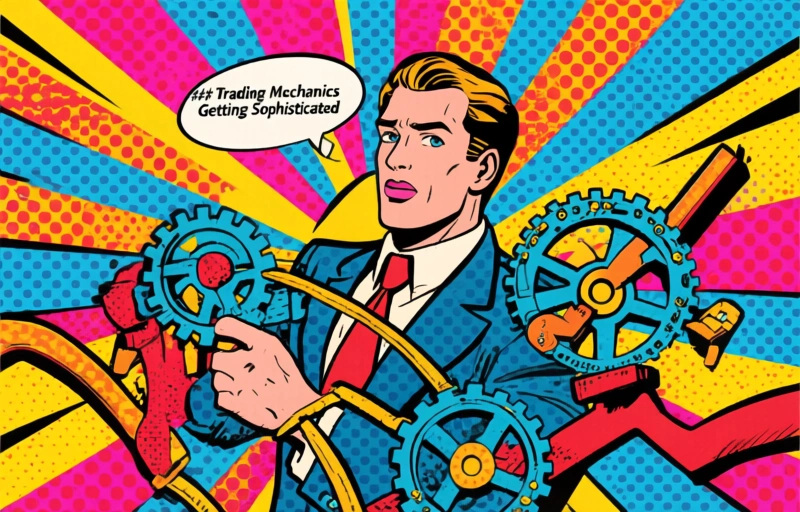
### Trading Mechanics Getting Sophisticated
The mechanics are where things get really interesting. We're seeing limit orders, stop-losses, and margin trading concepts trickle in. It's not just buy-and-hold anymore. You can structure your positions with more precision. This sophistication allows for more nuanced strategies. You can hedge bets, scale in and out of positions, and manage risk more effectively. It feels less like gambling and more like strategic financial forecasting. Of course, with great power comes great responsibility. These tools require a deeper understanding to use properly.
### The Insider Information Question
Here's the tricky part. As prediction markets behave more like securities, the old questions about insider trading come rushing back. In traditional stock markets, using material non-public information is illegal. But what about in a prediction market on a corporate event or a product launch? The lines are blurry. There's an ongoing debate about what constitutes fair play. Some argue all information is fair game in a prediction market—that's the point. Others worry it could undermine trust if certain participants have a clear, unfair advantage. It's a conversation the industry needs to have, and soon.
- **Increased Liquidity:** More stock-like features attract more capital and participants.
- **Professional Tools:** Advanced charting and order types appeal to serious traders.
- **Regulatory Scrutiny:** As they resemble securities, they may attract more regulatory attention.
- **Market Efficiency:** Better tools could lead to more accurate price discovery and forecasts.
One industry observer recently noted, *'The convergence of prediction markets and financial trading platforms is inevitable. We're building the infrastructure for a new kind of informed consensus.'* This isn't just a tech upgrade. It's a fundamental shift in how we think about forecasting future events.
### What This Means for Professionals
If you're a professional in this space, you need to pay attention. The skill set is expanding. Understanding volatility, liquidity dynamics, and even basic technical analysis is becoming more relevant. The platforms are giving you more rope—you can either tie a great knot or get tangled. It's an exciting time, but also one that demands more diligence. The community is watching how these markets mature. The goal is better, more reliable forecasts, not just more complex trading. Keep that north star in mind as you navigate these new tools.
So, where do we go from here? The evolution is likely to continue. We might see more integration with traditional financial data feeds. Perhaps even derivatives based on prediction market outcomes. The key is to engage with these changes thoughtfully. Learn the new tools, understand the new risks, and contribute to the conversation about ethics and fairness. The future of forecasting is being built right now, and it looks a lot like the trading screens we already know.