Prediction Markets in 2026: States, Leagues & Federal…
Belgium Remembers 1944-1945, Tweede Wereldoorlog België, 75 Jaar Bevrijding Expert ·
Listen to this article~4 min

Explore the evolving landscape of prediction markets as states, professional leagues, and federal regulators shape their future toward 2026. Understand the regulatory challenges and insider trading concerns facing this growing industry.
Let's talk about where prediction markets are headed in 2026. It's not just about betting on sports or elections anymore. We're looking at a landscape where states, professional leagues, and Washington are all pushing in different directions. Understanding what each wants helps us see the bigger picture.
You've probably noticed how these markets have evolved. What started as niche platforms for political junkies and sports fans is becoming mainstream. But with that growth comes complexity. Different players have different agendas, and 2026 looks like a pivotal year.
### The State-Level Landscape
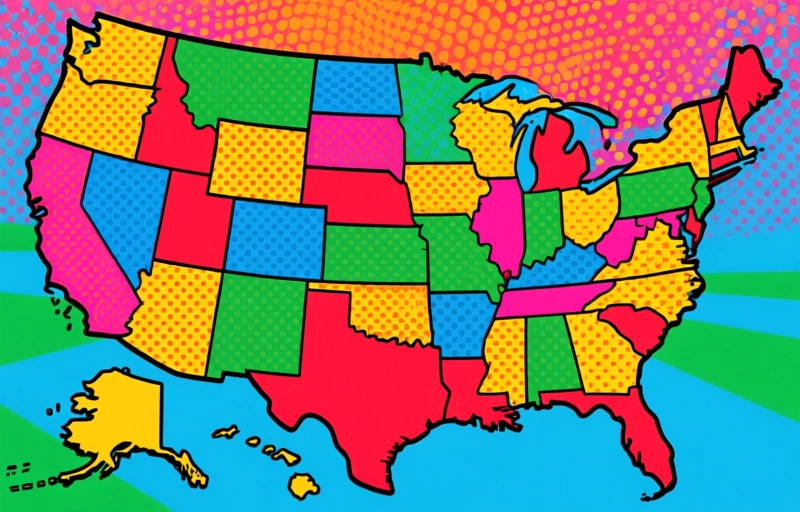
States are where the real action happens. They control gambling regulations, and their approaches vary wildly. Some states have embraced prediction markets with open arms, seeing them as revenue sources and economic drivers. Others remain cautious, worried about consumer protection and integrity.
Look at the differences:
- New Jersey and Nevada have established frameworks
- California and Texas are still debating comprehensive legislation
- Several Midwestern states are exploring sports-only markets
- A handful maintain outright bans
This patchwork creates challenges for national operators. It's like trying to play chess on fifty different boards simultaneously. The compliance costs alone can be staggering.
### What Professional Leagues Really Want
Here's where things get interesting. Professional sports leagues aren't just passive observers anymore. They've become active participants in shaping these markets. Their primary concern? Protecting the integrity of their games.
Leagues want control over data feeds and official partnerships. They're pushing for royalty structures where they get a cut of the action. Some are even exploring their own branded prediction products. But they're walking a tightrope—they want the engagement prediction markets bring without the scandals.
As one industry insider put it: "Leagues want to be at the table, not on the menu." They're negotiating for favorable terms while publicly emphasizing player safety and game integrity.
### Washington's Regulatory Dilemma
The federal government's position remains complicated. Different agencies have different priorities. The SEC watches for securities violations, the CFTC monitors commodity aspects, and the DOJ interprets the Wire Act. There's no unified federal approach.
Washington wants three main things:
- Clear consumer protections
- Consistent anti-money laundering measures
- Tax revenue collection mechanisms
But achieving these goals requires legislation that hasn't materialized yet. The current regulatory uncertainty creates risk for operators and confusion for consumers. Everyone's waiting for clearer signals from Capitol Hill.
### The Insider Trading Question
This is the elephant in the room. Prediction markets face unique insider trading challenges that traditional financial markets don't. What happens when a team doctor knows a star quarterback is playing hurt? Or when a political staffer knows about an upcoming announcement before the public?
Current regulations aren't designed for these scenarios. Some platforms use delayed pricing or trading limits. Others rely on user agreements and honor systems. But as markets grow, so does the temptation for information advantage.
We need better frameworks. Maybe something like a cooling-off period for insiders before major events. Or mandatory disclosure requirements for certain participants. The solutions aren't simple, but the problem can't be ignored.
### Looking Ahead to 2026
So where does this leave us? 2026 will likely see continued state-by-state expansion, more league partnerships, and hopefully some federal clarity. The markets that succeed will be those navigating all three arenas effectively.
Think about it this way: prediction markets are growing up. They're moving from the wild west phase into something more structured. That means more rules, more oversight, and more opportunities for professionals who understand the landscape.
The next two years will be about finding balance—between innovation and regulation, between state control and federal oversight, between market freedom and integrity protection. It's a complex dance, but one worth watching closely.
What's your take on where this is all heading? The conversation is just getting started, and your perspective matters as much as any analyst's prediction.