Prediction Markets in 2026: State, League & Federal Outlook
Belgium Remembers 1944-1945, Tweede Wereldoorlog België, 75 Jaar Bevrijding Expert ·
Listen to this article~4 min
Explore how states, professional leagues, and federal regulators are shaping prediction markets as we approach 2026. Understand the competing interests that will define trading opportunities and risks.
Let's talk about where prediction markets are headed in 2026. It's not just about betting on sports or elections anymore. We're looking at a whole ecosystem where states, professional leagues, and the federal government all have different agendas. And honestly? Their interests don't always align.
Understanding these competing priorities is crucial if you're trading in these markets. You're not just analyzing events—you're analyzing the regulatory landscape that shapes those events. It's like trying to predict the weather while someone keeps moving the thermometer.
### The State-Level Landscape
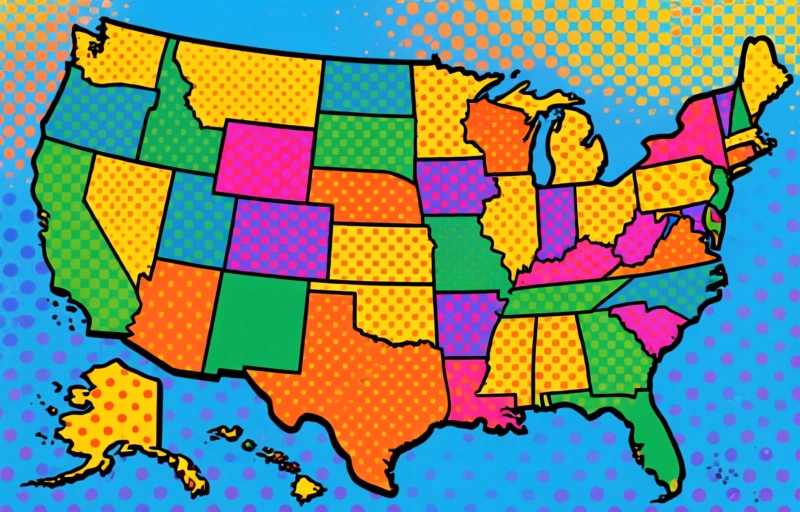
States have been the real drivers of prediction market legalization. They see the tax revenue potential—we're talking millions in annual income. But each state approaches it differently. Some want tightly controlled sports betting only. Others are exploring political event markets. A few are even looking at entertainment awards and economic indicators.
The patchwork of regulations creates opportunities and pitfalls. A market that's legal in New Jersey might be prohibited in Texas. That fragmentation affects liquidity and pricing. You need to track legislative sessions in all 50 states, not just the big players.
### Professional Leagues' Evolving Stance
Remember when leagues fought against any form of sports betting? That's changed. Now they want a piece of the action through official data deals and integrity fees. They're not just tolerating prediction markets—they're trying to monetize them.
But here's the tension: leagues want control without liability. They love the engagement prediction markets create among fans. Yet they fear scandals that could damage their brands. This balancing act affects which markets get league support and which face opposition.
- Leagues push for official data requirements that favor their partners
- They lobby for restrictions on certain prop bets they consider risky
- Most want royalty structures built into legislation
- Some explore creating their own prediction platforms

### Washington's Regulatory Dilemma
The federal government watches all this with mixed feelings. On one hand, there's pressure to create national standards. On the other, there's resistance to overriding states' rights. Different agencies have different priorities too.
The SEC cares about whether prediction contracts qualify as securities. The CFTC worries about commodity aspects. The DOJ focuses on anti-corruption. And everyone's concerned about money laundering risks.
As one insider put it: "Washington wants the tax revenue without the regulatory headache. They're happy to let states experiment, but they'll step in if things get messy."
### What This Means for Traders
If you're active in prediction markets, you can't ignore this three-way tug-of-war. Your trading strategy needs to account for regulatory risk alongside event probability. A market might have 80% accuracy in predicting outcomes, but if it gets banned in key states, that accuracy doesn't matter.
Watch for these developments as 2026 approaches:
- Which states expand beyond sports betting
- How leagues leverage their influence in new markets
- Whether federal legislation gains traction
- How technology platforms navigate conflicting rules
The most successful traders will be those who understand not just what will happen, but what will be allowed to happen. Because in prediction markets, the rules of the game keep changing—and sometimes the rulemakers are the biggest wild card of all.
Stay informed, stay flexible, and remember: you're not just predicting events. You're predicting how different power centers will shape the very markets you're trading in. That's the real forecast for 2026.