Prediction Markets in 2026: Key Players and Regulatory…
Belgium Remembers 1944-1945, Tweede Wereldoorlog België, 75 Jaar Bevrijding Expert ·
Listen to this article~5 min

Explore the evolving landscape of prediction markets as states, professional leagues, and federal regulators shape the industry's future through 2026. Analysis of regulatory challenges and market dynamics.
Let's talk about where prediction markets are headed in 2026. It's not just about betting on sports or elections anymore. We're looking at a whole ecosystem where states, professional leagues, and federal regulators are all trying to figure out their place at the table.
You can feel the tension building. Everyone wants a piece of this growing market, but nobody quite agrees on how it should work. It's like watching three different chefs trying to cook the same meal with completely different recipes.
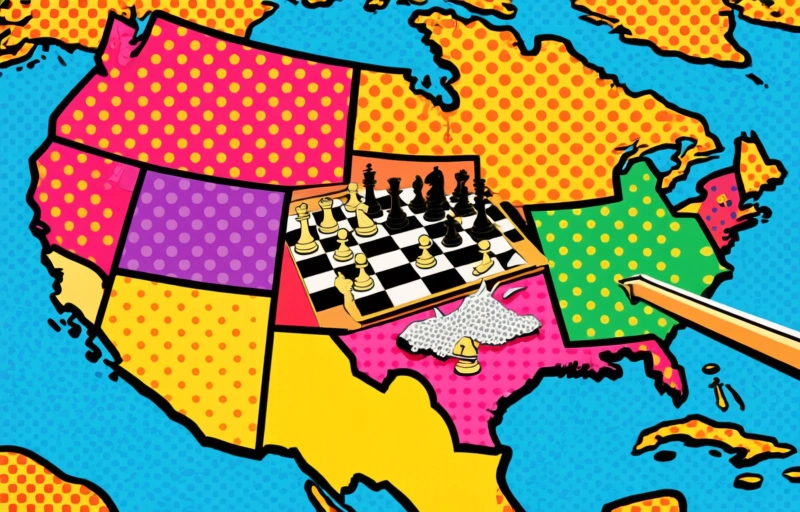
### The State-Level Chess Game
States are moving at their own pace, and it's creating a patchwork of regulations that's confusing for everyone. Some are opening their doors wide, while others are keeping them firmly shut. This inconsistency makes it tough for platforms to operate nationally.
- New York and California are taking cautious approaches, focusing on consumer protection
- States like Colorado and New Jersey are more aggressive about legalization
- Southern states remain largely resistant to expansion
- Tribal gaming interests complicate the landscape in several regions
You've got operators trying to navigate fifty different rulebooks, and it's costing them millions in compliance alone. The overhead is staggering.
### Professional Leagues Playing Defense
Sports leagues have been watching this space with mixed feelings. On one hand, they see the engagement potential. On the other, they're terrified of anything that might compromise the integrity of their games.
The NBA and NFL have been particularly vocal about wanting a seat at the table. They're pushing for what they call 'integrity fees' – basically a cut of the action to help them monitor for suspicious activity. Critics say it's just another revenue stream disguised as a safety measure.
Baseball has taken a different approach, focusing on player education and strict rules about who can and can't bet. Hockey? They're still figuring it out as they go along.
### Washington's Regulatory Tightrope
Here's where things get really interesting. Federal regulators are trying to balance innovation with protection, and nobody's quite sure which way they'll lean. The SEC has been eyeing prediction markets that might cross into securities territory, while the CFTC watches over commodity-based contracts.
As one industry insider put it recently: 'We're building the plane while flying it, and Washington keeps changing the flight plan.'
The real question is whether we'll see comprehensive federal legislation or if the current state-by-state approach will continue. Most experts I've spoken with think we'll get something in between – federal guardrails with state-level flexibility.
### The Insider Trading Question
This is the elephant in the room that nobody wants to talk about openly. How do you prevent insider information from corrupting prediction markets? It's not like traditional financial markets where you have clear rules about material non-public information.
What happens when a team doctor knows a star player is injured before the public announcement? Or when a political staffer hears about a policy shift before it's official? These markets are vulnerable in ways that regulators are just beginning to understand.
Platforms are investing in monitoring systems, but they're playing catch-up. The technology exists to track unusual betting patterns, but connecting those patterns to specific information leaks is much harder.
### Looking Ahead to April 2026
By 2026, we'll likely see some major consolidation in the industry. Smaller platforms will either get acquired or shut down as compliance costs rise. The big players will dominate, and they'll have the resources to navigate the regulatory maze.
We might also see new types of prediction markets emerge – ones focused on corporate earnings, climate events, or even geopolitical outcomes. The technology isn't the limiting factor anymore. It's all about what regulators will allow.
The next two years will be crucial. We're watching a new industry being born, and the mid-2020s will determine what shape it takes. Will prediction markets become a mainstream financial tool, or will they remain a niche activity? That's the billion-dollar question everyone's trying to answer.
What's clear is that the conversation has moved beyond whether prediction markets should exist. Now we're figuring out how they should exist – and who gets to control them. The stakes keep getting higher, and the players keep getting bigger. Buckle up, because 2026 is going to be a wild ride.