MLB's Prediction Market Deals Spark Integrity Concerns
Belgium Remembers 1944-1945, Tweede Wereldoorlog België, 75 Jaar Bevrijding Expert ·
Listen to this article~4 min
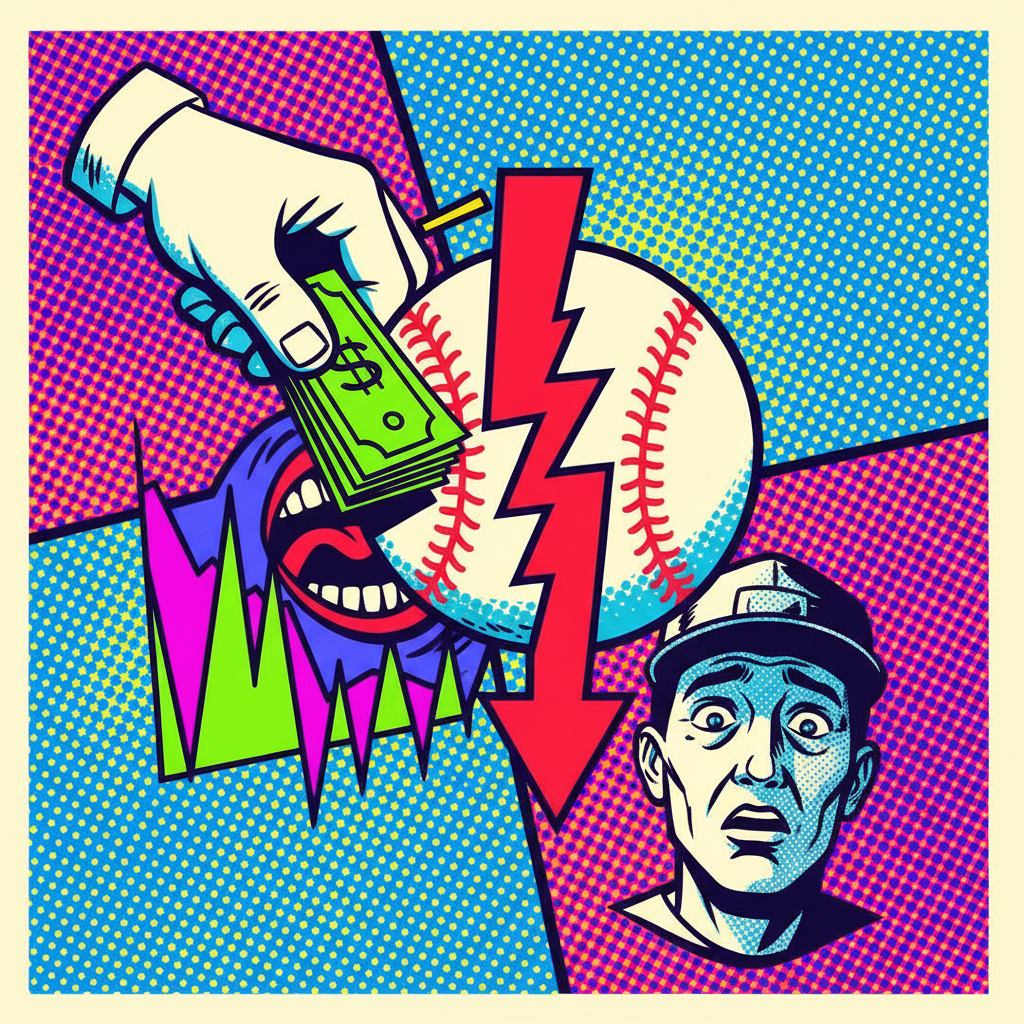
MLB's new partnerships with prediction markets raise serious questions about game integrity and potential insider trading risks in sports betting ecosystems.
Let's talk about something that's been buzzing in the sports world lately. Major League Baseball is dipping its toes into prediction markets, and honestly, it's raising a lot of eyebrows. You know how these things go—what starts as a simple partnership can quickly become a tangled web of potential conflicts.
I was just reading about this the other day, and it got me thinking. When a sports league gets cozy with betting platforms, where do you draw the line? It's not just about placing friendly wagers anymore. We're talking about sophisticated markets where people can bet on everything from who'll hit the first home run to which team will win the division.
### Why This Partnership Matters
Here's the thing that keeps me up at night. Baseball has always been about the purity of competition. Remember the Black Sox scandal? That was over a century ago, but the lesson still sticks. The moment money starts influencing outcomes, you're playing with fire.
These prediction markets aren't your grandpa's friendly office pool. We're talking about serious financial instruments where millions of dollars change hands daily. And when MLB partners with these platforms, they're essentially putting their stamp of approval on the whole ecosystem.
### The Insider Trading Problem
Now here's where it gets really interesting. Think about who has access to information in baseball:
- Team managers and coaches
- Medical staff
- Players themselves
- Front office personnel
All these people know things the public doesn't. A pitcher's sore elbow, a batter's vision problems, internal team conflicts—this is valuable information in prediction markets. And unlike stock markets, there aren't clear rules about what constitutes insider trading in sports betting.
I remember talking to a friend who works in finance, and he put it perfectly: "In the stock market, we have SEC regulations and disclosure requirements. In sports betting? It's the wild west."
### What Could Go Wrong?
Let's walk through some potential scenarios that should make any baseball fan nervous:
- A team trainer knows a star player has a hidden injury that will affect their performance
- A coach learns about lineup changes before they're announced
- Front office staff know about pending trades or roster moves
- Players themselves know about team morale issues or strategy changes
Any of this information, if acted upon in prediction markets, could be incredibly profitable. And the scary part? We might never know it happened.
### The Integrity Question
Baseball has worked hard to rebuild trust after the steroid era. Fans need to believe what they're watching is real. When you introduce prediction market partnerships, you're inviting skepticism about every close play, every managerial decision, every player's performance.
It's not just about actual corruption either. The perception matters just as much. If fans start questioning whether games are on the level, you've lost something precious.
### Finding the Right Balance
Look, I get why leagues are interested in prediction markets. The revenue potential is enormous. Some estimates suggest legal sports betting could generate billions annually. But at what cost?
Here's what I think needs to happen:
- Clear rules about who can bet and what information they can use
- Independent monitoring of betting patterns
- Strong penalties for anyone caught using insider information
- Transparency about league partnerships with betting companies
Without these safeguards, we're asking for trouble. And once trust is broken, it's incredibly difficult to get back.
### The Bottom Line
As someone who loves baseball, this worries me. The game has survived wars, strikes, and scandals. But the digital age presents new challenges we're still figuring out.
Prediction markets aren't going away. They're becoming more sophisticated every day. The question isn't whether sports leagues should engage with them—it's how they do it without compromising the very thing that makes sports worth watching.
What do you think? Are we worrying too much, or not enough? The conversation is just beginning, and honestly, we all need to be part of it. Because once you cross certain lines, there's no going back.