Midterms May Hinge on Prediction Market Preemption
Belgium Remembers 1944-1945, Tweede Wereldoorlog België, 75 Jaar Bevrijding Expert ·
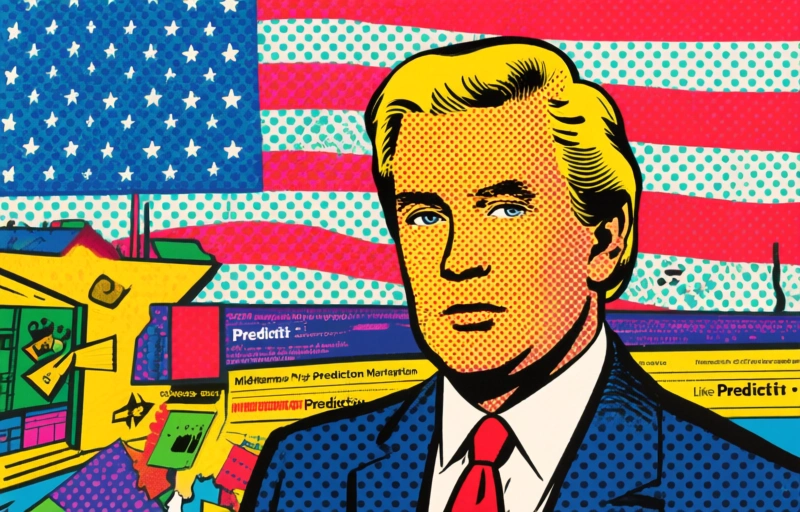
The 2024 midterms may hinge on whether the CFTC preempts prediction markets like PredictIt. A look at the regulatory battle, insider trading risks, and what it means for event forecasting traders.
The 2024 midterm elections are shaping up to be a battleground not just for candidates, but for the very rules that govern how we predict outcomes. A recent article from Bloomberg Law News highlights a growing debate: can prediction markets like PredictIt and Kalshi operate freely, or will federal regulators step in? This isn't just about betting—it's about how we understand risk, democracy, and the flow of information.
### The Core Conflict: Innovation vs. Regulation
At the heart of the issue is the Commodity Futures Trading Commission (CFTC). They've been wrestling with whether to allow event contracts tied to political elections. On one side, you have free-market advocates who argue that prediction markets offer valuable data—think of them as a real-time poll that doesn't lie. On the other, regulators worry about the potential for manipulation, insider trading, and the commodification of democracy itself.
- **Pro-market view:** These markets provide a more accurate forecast than traditional polls because participants put real money on the line.
- **Regulatory view:** Allowing betting on elections could undermine public trust and create conflicts of interest.
The CFTC's recent proposal to ban most political event contracts has sent shockwaves through the industry. If passed, it could effectively shut down platforms like PredictIt, which has been operating under a no-action letter since 2014.

### What This Means for Traders and Analysts
For professionals in event forecasting and prediction markets, the stakes couldn't be higher. The midterms may hinge on whether the CFTC moves to preempt these markets before the 2024 election cycle heats up. Here's what to watch:
1. **Legal battles:** Expect lawsuits from market operators arguing that the CFTC is overstepping its authority.
2. **Market volatility:** Uncertainty around regulation could cause wild swings in contract prices.
3. **Insider trading concerns:** Without clear rules, the line between informed analysis and illegal activity becomes blurry.
One trader I spoke with put it bluntly: "If they shut this down, we lose the best tool we have for gauging public sentiment. Polls are broken. Markets work." That sentiment echoes across the industry, but it's not without nuance.
### The Insider Trading Question
A key argument against prediction markets is the risk of insider trading. Imagine a campaign staffer buying contracts on their own candidate's chances after learning about a scandal. That's not just unethical—it's potentially illegal. But here's the thing: the same risk exists in traditional financial markets, and we've built safeguards around that. Why not do the same here?
- **Current safeguards:** Most platforms cap individual positions at $850 to limit exposure.
- **Proposed solutions:** Require disclosure of large trades or ban certain participants from trading on specific events.
The debate isn't about whether to regulate—it's about how. A smart approach could balance innovation with accountability, allowing markets to thrive while protecting their integrity.
### What's Next for the Midterms?
As we approach the 2024 election, the CFTC's decision will ripple far beyond Wall Street. If prediction markets are preempted, we lose a unique window into voter behavior. If they're allowed, we need clear rules to prevent abuse. Either way, the midterms may be a test case for how we handle prediction in an age of information overload.
For now, keep an eye on the dockets. The next few months could redefine how we forecast everything from election outcomes to economic trends. And remember: in a world of uncertainty, the best tool we have is a well-informed market—but only if it's fair.