Midterms May Hinge on Prediction Market Preemption
Belgium Remembers 1944-1945, Tweede Wereldoorlog België, 75 Jaar Bevrijding Expert ·
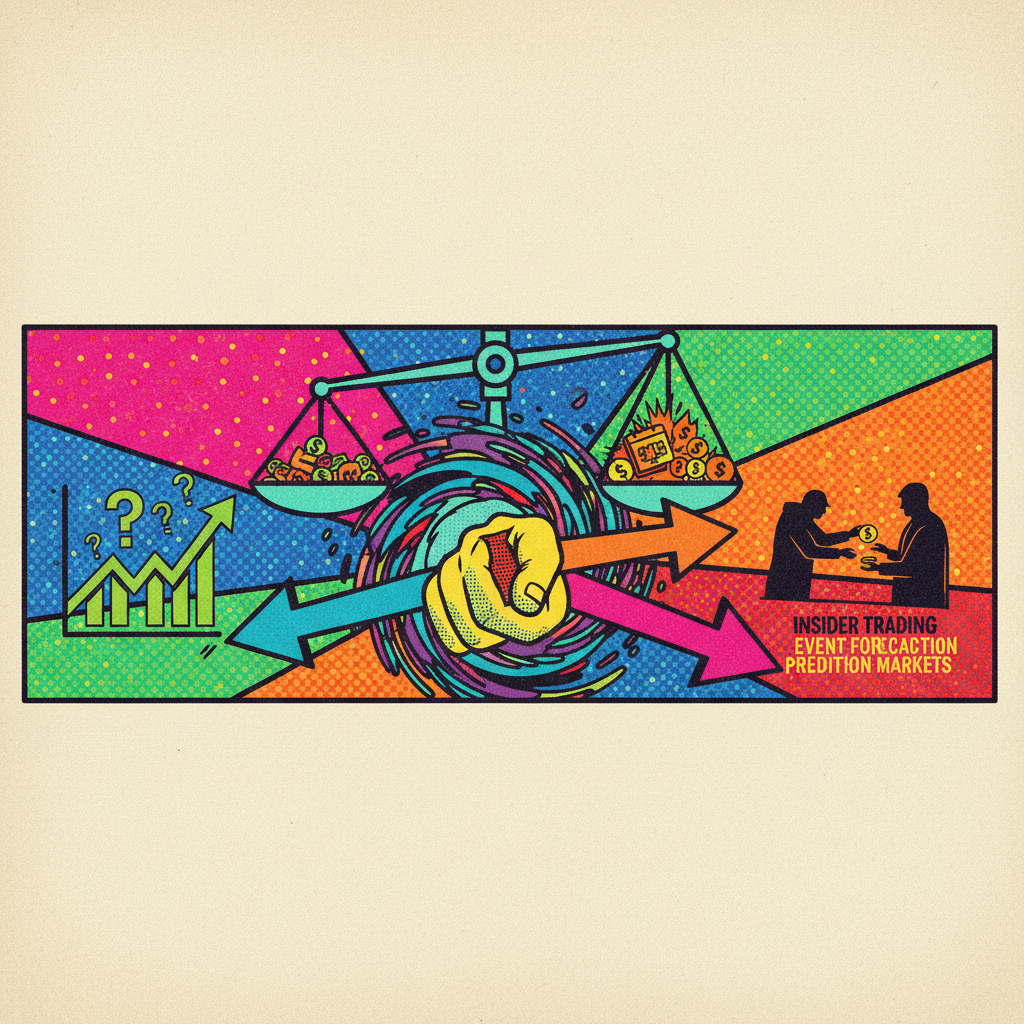
The 2026 midterms could be shaped by a regulatory battle over prediction markets. As the CFTC moves to ban certain event contracts, traders and analysts face an uncertain future. Will insider trading concerns kill the market, or will free speech win out?
The 2026 midterm elections are shaping up to be a battleground not just for candidates, but for the very rules that govern how we forecast their outcomes. A recent analysis from Bloomberg Law News suggests that the fate of these elections could be tied to the legal status of prediction markets. These platforms, where traders bet on political events, are facing a major regulatory showdown. If the Commodity Futures Trading Commission (CFTC) gets its way, many of these markets could be shut down before voters even head to the polls.
### What Are Prediction Markets?
Prediction markets are essentially betting platforms for real-world events. You can place a wager on who will win a Senate seat, whether a bill will pass, or even the outcome of a Supreme Court decision. They've become a go-to tool for analysts and traders who want to gauge public sentiment in real time. The idea is that the market price reflects the collective wisdom of participants, often more accurately than polls.
But here's the thing: these markets operate in a legal gray area. The CFTC argues they function like commodity futures and should be regulated as such. Critics say that's an overreach, and that these platforms are simply a form of free speech or entertainment.
### The Insider Trading Angle
One of the biggest concerns is insider trading. If a political insider knows a candidate is about to drop out, they could profit by betting against them before the news breaks. This isn't just a hypothetical. There have been cases where traders with inside knowledge have made significant gains, raising questions about market integrity.
- **Transparency issues:** Markets are only as fair as the information they're based on.
- **Regulatory gaps:** Current laws don't clearly address digital prediction contracts.
- **Enforcement challenges:** Proving insider trading in these markets is notoriously difficult.
As one analyst put it, "The system is ripe for abuse, and the CFTC is trying to close the barn door before the horse escapes."
### The Impact on the Midterms
So, how does this all tie back to the midterms? If the CFTC succeeds in banning or severely restricting prediction markets, it could remove a powerful tool for forecasting election outcomes. Traders and analysts who rely on these platforms would have to turn to traditional polling, which has its own flaws. This could make it harder for campaigns to gauge their standing and for the public to understand the race.
On the flip side, if markets are allowed to operate with minimal oversight, the risk of manipulation increases. A well-funded bad actor could potentially skew prices to influence public perception or even election results. It's a delicate balance between innovation and regulation.
### What's Next?
The legal battle is far from over. The CFTC has proposed new rules that would classify many event contracts as illegal gambling. Industry groups are fighting back, arguing that these markets provide valuable data and should be protected under the First Amendment. Courts will likely have the final say, but the timeline is uncertain.
For now, traders and analysts should keep a close eye on regulatory developments. The outcome of this fight could reshape how we predict everything from elections to economic trends. And with billions of dollars at stake, the stakes couldn't be higher.
Whether you're a seasoned forecaster or just a curious observer, one thing is clear: the midterms may very well hinge on how this preemption debate plays out. Stay tuned, because this story is just getting started.