AI Surveillance Targets Prediction Market Fraud
Belgium Remembers 1944-1945, Tweede Wereldoorlog België, 75 Jaar Bevrijding Expert ·
Listen to this article~3 min
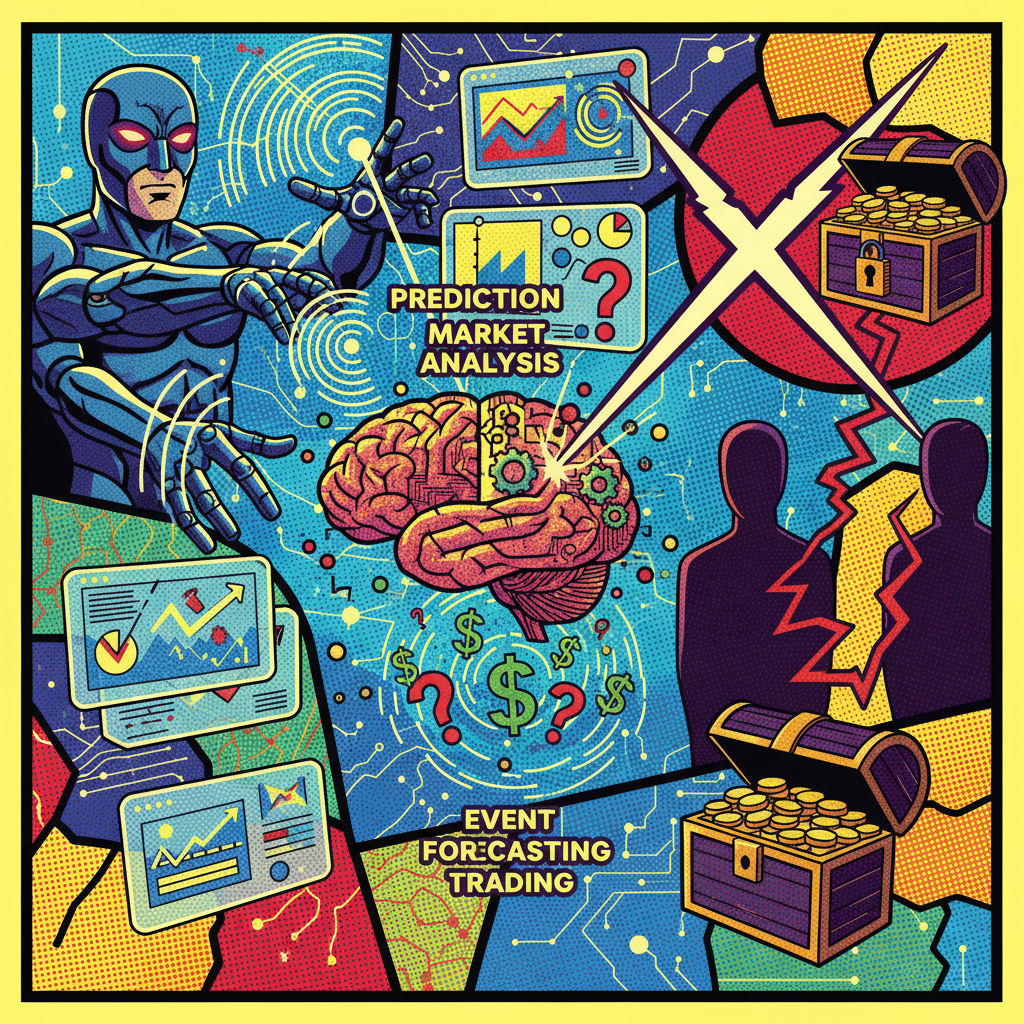
US regulator deploys AI to fight insider trading in prediction markets. Learn how event forecasting trading is evolving with surveillance tech and what it means for traders.
The US regulator has taken a bold step by deploying artificial intelligence to monitor and combat fraud in prediction markets. This move signals a new era in event forecasting trading, where insider trading has been a persistent challenge. By leveraging AI, authorities aim to detect suspicious patterns and protect market integrity.
### Why AI Now?
Prediction markets have grown rapidly, attracting both legitimate traders and bad actors. Traditional surveillance methods struggle to keep up with the speed and complexity of these platforms. AI offers a solution by analyzing vast amounts of data in real time, identifying anomalies that might indicate insider trading or manipulation.
Consider this: a trader with non-public information could place bets that seem innocuous but actually reveal hidden knowledge. AI can flag these trades by comparing them against historical patterns and public data. This is a game-changer for regulators who want to maintain fair markets.
### How It Works
- **Data Collection**: AI systems scrape trading data, news feeds, and social media to build a comprehensive picture.
- **Pattern Recognition**: Machine learning models identify unusual trading volumes or price movements.
- **Alert Generation**: Suspicious activities trigger automated alerts for human investigators.
This approach is not about replacing human judgment but augmenting it. Regulators can focus on high-risk cases while AI handles the grunt work.
### The Insider Trading Problem
Insider trading in prediction markets is a serious concern. Unlike stock markets, where insider trading laws are well-established, prediction markets operate in a gray area. Traders might use confidential information from corporate or political sources to gain an edge.
For example, a company employee might know about an upcoming product launch and bet on its success. AI can catch this by linking trading activity to employment records or other signals. The regulator's new system is designed to close these loopholes.
### What This Means for Traders
If you're involved in event forecasting trading, expect tighter scrutiny. The AI surveillance will likely increase compliance costs for platforms, but it also boosts confidence among honest traders. A level playing field attracts more participants, which benefits everyone.
- **Transparency**: Platforms may need to share more data with regulators.
- **Accountability**: Traders could face stricter penalties for violations.
- **Innovation**: AI tools might also help platforms improve their own risk management.
### Looking Ahead
This development is just the beginning. As prediction markets expand into areas like political elections and sports, the need for robust oversight will grow. The US regulator's use of AI sets a precedent that other countries may follow.
For professionals in this space, staying informed about regulatory changes is crucial. The days of unregulated betting on future events are numbered. Embrace the change, and you'll find opportunities in a more secure market environment.