AI-Powered Analytics Layer for Prediction Markets
Belgium Remembers 1944-1945, Tweede Wereldoorlog België, 75 Jaar Bevrijding Expert ·
Listen to this article~4 min
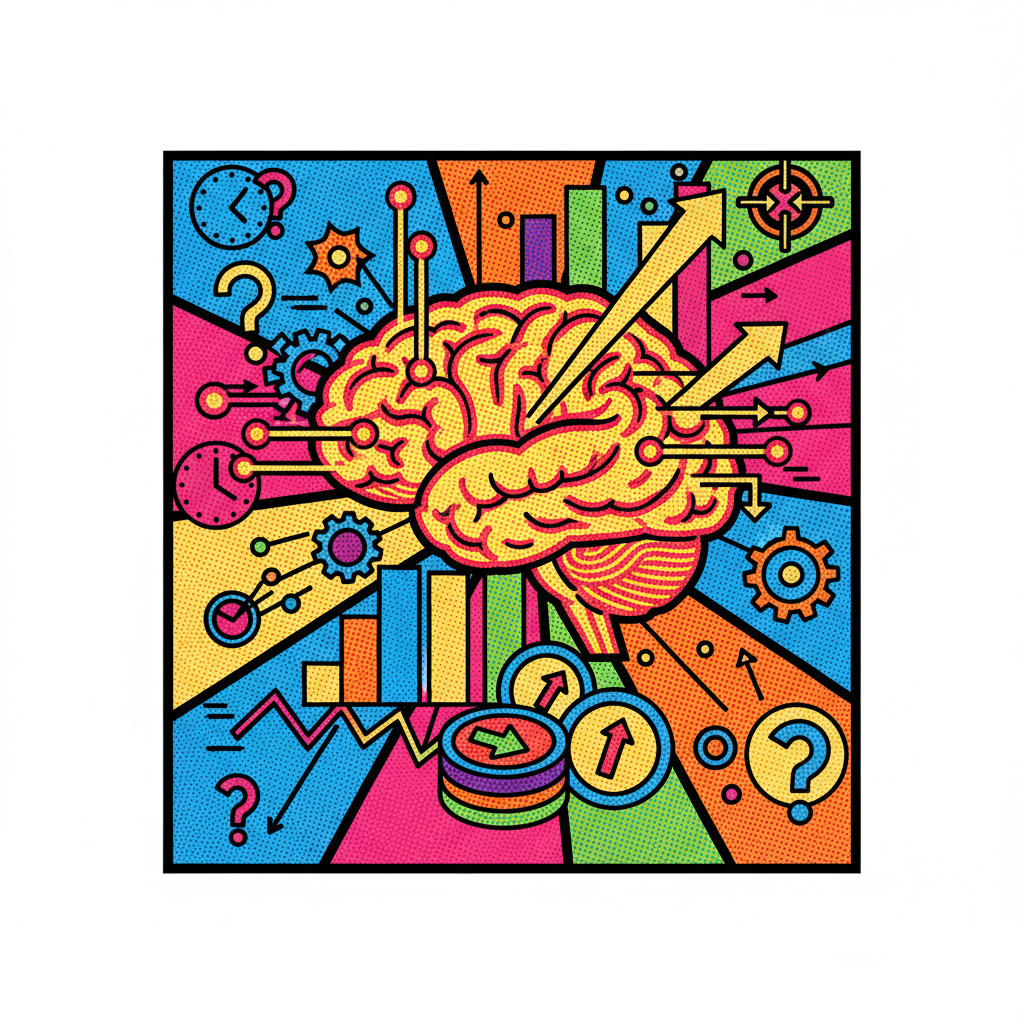
Poly Truth launches an AI analytics layer for prediction markets, offering real-time pattern recognition and risk assessment. This tool helps traders cut through noise and make smarter bets. But could it blur the line between smart analysis and insider trading? Explore the implications.
Prediction markets are evolving fast. And now, a new AI-driven analytics layer is making them even more powerful. Let's explore what this means for traders and analysts.
### What Is Poly Truth's New AI Layer?
Poly Truth just dropped something interesting. An AI-driven analytics layer built specifically for prediction markets. Think of it as a smart assistant that crunches data, spots patterns, and helps you make sense of the chaos. It's not just about placing bets anymore. It's about understanding the odds with a whole new level of clarity.
This tool pulls in data from multiple sources. It analyzes historical trends, current events, and even social sentiment. The goal? To give traders a clearer picture of where markets might head. No more guessing in the dark.
### Why This Matters for Traders
If you trade on prediction markets, you know the struggle. Too much noise, not enough signal. This AI layer cuts through that. It highlights key factors that could shift probabilities. For example, it might flag a sudden spike in social media chatter about a political candidate. Or it could spot a pattern in weather data that affects commodity bets.
Here's what makes it stand out:
- Real-time analysis: Data updates constantly, so you're never behind.
- Pattern recognition: AI finds correlations humans might miss.
- Risk assessment: It calculates potential downsides before you commit.
This isn't about replacing human judgment. It's about augmenting it. You still make the call. But now you have better intel.
### The Insider Trading Question
Of course, with better analytics comes a big question. Could this be used for insider trading? Prediction markets are already under scrutiny. Some worry that advanced AI could give certain traders an unfair edge. But here's the thing. This tool uses publicly available data. It's not accessing private information. It's just processing what's already out there faster and smarter.
Still, regulators are watching. The line between smart analysis and insider knowledge can get blurry. Traders need to stay ethical. Use the tool to understand the market, not to manipulate it.
### How This Changes Forecasting
Event forecasting is getting a serious upgrade. Instead of relying on gut feelings or outdated reports, traders can tap into AI-driven insights. This could make prediction markets more accurate overall. Think about it. If everyone has access to better data, the collective wisdom improves. Prices reflect reality more closely.
But there's a catch. Not everyone will use these tools the same way. Some might over-rely on the AI. Others might ignore it completely. The smartest traders will find a balance. Use the AI as a guide, but trust your own experience too.
### A Real-World Example
Imagine a market on who will win the next election. Traditional analysis looks at polls and fundraising numbers. But this AI layer might also scan local news for scandals, track weather patterns that affect turnout, and analyze social media for viral moments. Suddenly, you see a more complete picture. The market odds might shift before the mainstream media catches on.
That's the edge. Not insider trading. Just smarter, faster analysis.
### What's Next for Prediction Markets
This is just the beginning. As AI gets better, prediction markets will too. We'll likely see more layers like this one. Maybe even tools that suggest trades automatically. But for now, Poly Truth's move is a big step forward. It opens the door for more sophisticated event forecasting.
Traders should pay attention. This could level the playing field. Or it could create new challenges. Either way, the game is changing. And those who adapt will lead.
Stay curious. Keep learning. And always question the data.