2026 U.S. House Control: Prediction Market Analysis
Belgium Remembers 1944-1945, Tweede Wereldoorlog België, 75 Jaar Bevrijding Expert ·
Listen to this article~5 min
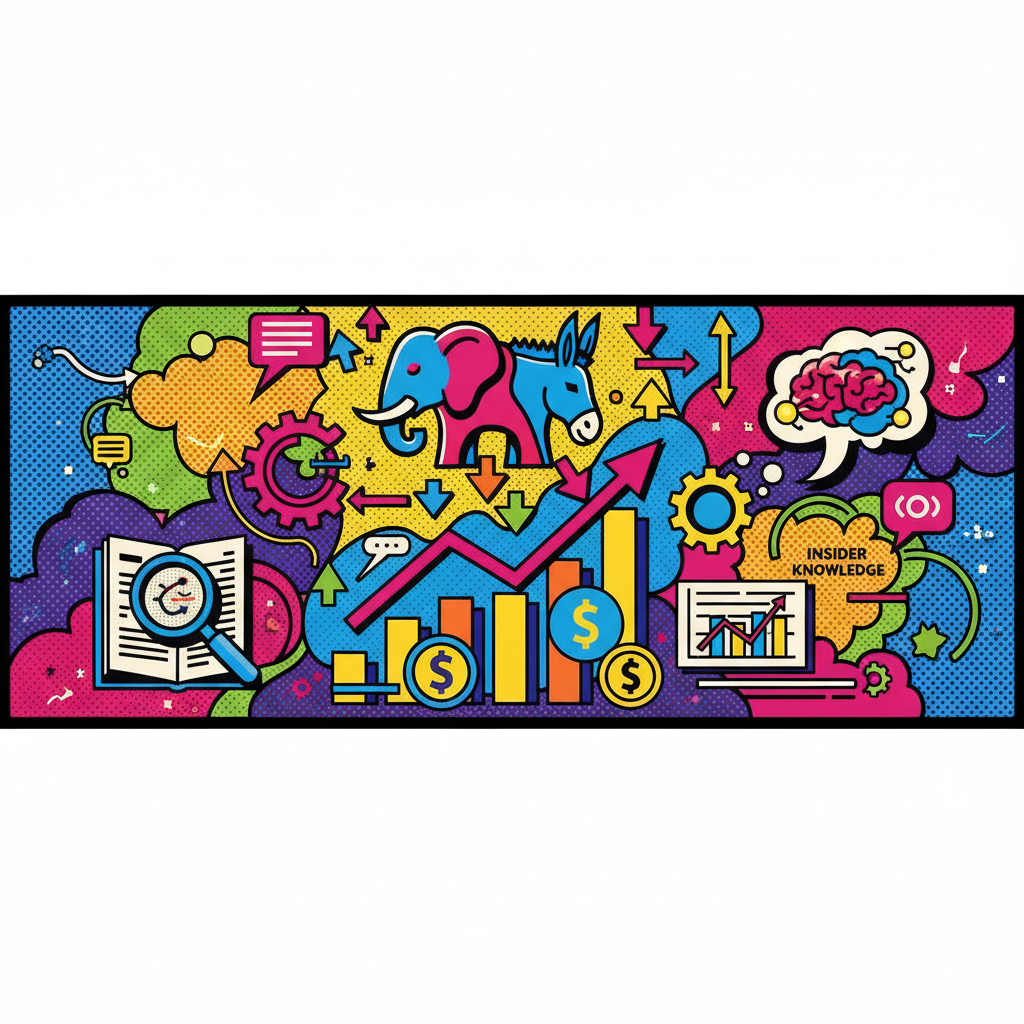
An in-depth analysis of prediction markets for the 2026 U.S. House midterms. Explore trading strategies, early signals, and the complex question of insider information in political event forecasting.
Let's talk about the 2026 midterms. They're still a couple of years out, but if you're in the prediction markets game, you know the smart money starts moving now. It's not about crystal balls or wild guesses. It's about reading the early signals, understanding the political climate, and seeing where the value lies before everyone else piles in.
We're looking at the battle for control of the U.S. House of Representatives. It's a complex puzzle with 435 pieces, each one a district with its own local dynamics. But from a trading perspective, it's a fascinating macro-event with huge implications.
### Why Prediction Markets Matter for 2026
Forget the pundits on TV for a second. Prediction markets aggregate real money and real beliefs. When someone puts their own capital on the line, it tends to focus the mind. These markets often pick up on subtle shifts long before they show up in traditional polls or media narratives. They're a leading indicator, not a lagging one.
For professionals, this isn't just a hobby. It's a way to hedge real-world exposure or capitalize on a unique insight. The key is understanding what the current odds are really telling you.
### The Current Landscape and Early Signals
Right now, the landscape is... well, let's call it fluid. We've got redistricting battles mostly settled from the last census, but court challenges can always pop up. We're watching demographic shifts, retirement announcements from key incumbents, and the fundraising numbers for challengers you've probably never heard of.
Here's what early market activity often tracks:
- **Retirement Watch:** An unexpected retirement in a swing district can flip a market overnight.
- **Fundraising Hauls:** Early money is a signal of candidate viability and party commitment.
- **Presidential Approval:** The sitting president's numbers in two years will be a massive tailwind or headwind.
- **Generic Ballot:** Which party do voters say they'll support for Congress? This is a key leading indicator.
It's a game of connecting a thousand tiny dots. A special election result in a district 2,000 miles away can shift the odds on the overall House control market. You have to pay attention.
### Navigating the Insider Trading Question
This is the elephant in the room, right? The line between 'expert analysis' and 'material non-public information' can get blurry in political markets. It's a topic we need to address head-on.
As one seasoned trader put it to me recently: *'The difference between an insight and inside information often comes down to who you know and what they tell you. My rule is simple: if the information isn't available to a diligent member of the public, I won't trade on it.'*
That's a good rule. Trading on truly confidential information—like a private poll commissioned by a campaign—is not just unethical; it could have legal consequences. The integrity of the market depends on everyone playing by the same basic rules.
### Building a Strategy for the Long Game
So, how do you approach a market for an event two years away? You don't go all-in on day one. You build a position gradually, based on accumulating evidence.
- **Start with the fundamentals:** What's the historical trend for midterms under a president's second term? How many seats are truly in play?
- **Look for mispricing:** Are the markets overreacting to today's news, forgetting the election is 700 days from now?
- **Manage your bankroll:** This is a marathon. Volatility will be high. Don't risk more than you can afford to lose on any single piece of news.
The real edge often comes from synthesizing public information better than the next person. It's about reading the district-level data, understanding voter registration trends, and having a feel for the national mood.
By 2026, the political world will look different. New issues will dominate. New leaders will emerge. The prediction markets will reflect that evolution in real-time. For those of us watching the odds, it's less about predicting the future and more about understanding the present better than anyone else. The trades you make today are bets on how that story unfolds. So keep your eyes open, do your homework, and remember—the market is always listening.